The Environmental Working Group complies a helpful Shopper’s Guide to Pesticides in Produce every year.
Here is this list for 2026:
EWG’s shopper’s guide
The Clean Fifteen
These 15 items had the lowest amounts of pesticide residues, according to EWG’s analysis of the most recent USDA data.
01 Pineapples
02 Sweet Corn (fresh and frozen)
03 Avocados
04 Papaya
05 Onion
06 Sweet Peas (frozen)
07 Asparagus
08 Cabbage
09 Cauliflower
10 Watermelon
11 Mangoes
12 Bananas
13 Carrots
14 Mushrooms
15 Kiwi
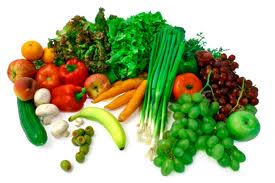
The middle of the list
These 20 items were included in the fruit and vegetable testing data from the USDA and FDA but do not fall into either the Dirty Dozen or Clean Fifteen lists.
16 Broccoli
17 Cantaloupe
18 Sweet Potatoes
19 Eggplant
20 Snap Peas
21 Grapefruit
22 Raspberries
23 Summer Squash
24 Oranges
25 Tomatillos
26 Plums
27 Tomatoes
28 Winter Squash
29 Cherry Tomatoes
30 Celery
31 Cucumbers
32 Tangerines
33 Lettuce
34 Bell and Hot Peppers
35 Green Beans
The 2026 Dirty Dozen
Of the 47 items included in our analysis, these 12 fruits and vegetables were most contaminated with pesticides:
36 Blueberries
Blueberries back on the Dirty Dozen, with traces of several toxic pesticides
37 Potatoes
Potatoes – the most consumed vegetable in the U.S. – join this year’s Dirty Dozen.
38 Pears
Pears among the most pesticide-contaminated fruit in EWG’s Dirty Dozen
39 Blackberries
Blackberries’ newcomer status on the Dirty Dozen comes after the USDA tested the fruit for the first time, in 2023.
40 Apples
41 Cherries
42 Peaches
Peaches pack a punch when it comes to pesticide contamination
43 Nectarines
44 Grapes
45 Strawberries
The average American eats about eight pounds of fresh strawberries a year – and with them, dozens of pesticides
46 Kale, Collard & Mustard Greens
More than half of kale samples tainted by possibly cancer-causing pesticide
47 Spinach
Spinach has more pesticide residues by weight than any other type of produce
Environmental Working Group is a nonprofit corporation.
source: www.ewg.org
 Our Better Health
Yikes! Does buying organic versions of these fruits and vegetables help at all regarding their chemical contamination? I am always aware of the people who plant/harvest/handle the food I buy and eat — as well as the animals who live in/near/downstream of the fields in which the food is grown. Not only do I hope to consume fewer toxic chemicals myself when I buy something grown organically, I also hope to expose everyone else to fewer chemicals in their daily lives on their farms. I’ve been wondering if the huge and very significant chemical fertilizer shortage being creating by the current Strait Of Hormuz situation might end up inspiring a few commercial farmers to convert to organic? Two friends recently bought (used) electric cars due to the spiking prices at the gas pump. They are fueling their electric car via solar panels they had installed many years ago at their homea.
Organic foods generally contain lower levels of synthetic pesticide residues compared to conventionally grown foods. While not completely pesticide-free, organic produce often has fewer pesticide residues, and studies have linked diets high in organic food to lower pesticide exposure.
I try to minimize my exposure to pesticides by purchasing organic produce on the dirty dozen list when I shop. In world where greedy corporations and misguided, corrupt politicians have little or no concern about the health of consumers, one has to advocate for one’s self. Knowledge is power and I believe we owe it to to ourselves and those who care for us to make an effort to try to make healthier choices.
Buying organic produce also is voting with your dollar. It sends a message to the government and companies like Monsanto that despite their profit over health driven mentality, consumers are informed, and don’t want to consume harmful chemicals in their food.
Yes, indeed! I like your strategy of buying organic when it’s “the dirty dozen.” I also like being reminded hat we can “vote with our dollars” and send an economic message to corporations annd politicians about what we value here on planet earth. And maybe some of us can even grow some of our own fruits and vegetables…
yes!