How does vitamin C affect the ageing brain?
Ageing does not only change the body. It changes the brain too. Names become harder to recall. Concentration slips. Tasks that once felt automatic demand more effort. Scientists have long been trying to understand what helps keep the brain healthy as people grow older, and now a new study points to something surprisingly ordinary: vitamin C.
Researchers from Japan, whose findings were published in PLOS One, examined more than 2,000 older adults and discovered that people with higher vitamin C levels in their blood tended to have healthier brain structures and stronger neural connections. The study does not suggest that vitamin C is a cure for dementia or memory loss. But it does raise an important question: could everyday nutrition quietly influence how the brain ages?
What the new study actually found
The research involved 2,044 adults with a median age of 69 years. All participants underwent detailed MRI scans, and researchers measured vitamin C levels in their blood. They also adjusted for several factors that could influence brain health, including age, diabetes, hypertension, education, smoking, alcohol use, and physical activity.
Even after accounting for these factors, lower vitamin C levels were linked with lower grey matter volume and weaker connectivity within the brain’s default mode network (DMN), a group of interconnected regions involved in memory, self-reflection, and attention.
Importantly, this was a cross-sectional study. That means researchers observed an association, not cause and effect. They cannot say that vitamin C directly prevents cognitive decline, only that higher blood levels appeared to be associated with healthier brain structures.
Why scientists pay so much attention to grey matter
Grey matter is where much of the brain’s processing happens. It plays a major role in memory, decision-making, emotions, and movement. As people age, some loss of grey matter naturally occurs. Excessive decline, however, has been linked to cognitive impairment and neurodegenerative diseases.
The study also focused on the default mode network. This network becomes active during introspection, recalling memories, and planning for the future. Scientists have observed disruptions in the DMN in people with Alzheimer’s disease and other forms of dementia. Stronger connectivity in this network is generally considered a sign of healthier brain functioning.
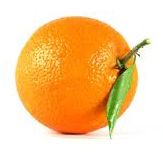
Vitamin C does much more than fight colds
“Keeping the body fit is not the only thing about healthy ageing; it is also important to protect the brain. Studies have recently shown Vitamin C could be important to maintain the health of the brain and combat age-related cognitive decline,” said Dr. Rahul Chawla, Consultant Neurologist at ISIC Multispeciality Hospital.
According to Dr. Chawla, vitamin C acts as a powerful antioxidant. Over time, harmful molecules known as free radicals accumulate in the body and contribute to oxidative stress. This process has been linked to ageing and damage to brain cells.
“Vitamin C is a potent antioxidant which helps prevent brain cells from being damaged by oxidative stress. Free radicals are harmful molecules that can build up in the body due to aging and lead to memory issues and brain diseases. Vitamin C is an antioxidant that can help reduce the levels of these molecules and can help support healthy brain function,” he explained.
He added that vitamin C is also involved in the production of neurotransmitters, the chemical messengers that allow brain cells to communicate.
“Multiple studies have demonstrated that individuals who have an adequate amount of Vitamin C in their body perform better in memory, attention and decision making than individuals who have a low level of Vitamin C. Vitamin C has also been shown to play a role in synthesizing neurotransmitters, substances that enable cells in the brain to communicate effectively. This is a process that is vital for learning, concentration and emotional health.”
Various other research has reached similar conclusions
The new findings are not appearing in isolation. Several previous studies have hinted at a connection between vitamin C and cognitive health.
Data from the US government’s National Institutes of Health (NIH) notes that vitamin C functions as an antioxidant and supports nervous system function.
Additionally, Australian research led by Flinders University reported that vitamin C deficiency was associated with significantly higher odds of cognitive impairment among adults over 75 years of age.
Still, experts stress that nutrition is only one piece of the puzzle.
The best sources of vitamin C are probably already in your kitchen
“There is emerging evidence that low Vitamin C levels could be linked to cognitive impairment among older people. Researchers do not claim that Vitamin C can cure or prevent diseases like dementia, but optimal intake of Vitamin C as a part of a healthy diet could be associated with better ageing of the brain,” said Dr. Chawla.
Fortunately, vitamin C is not difficult to obtain.
“The good news is Vitamin C is easily obtained by common foods like oranges, lemons, amla, guava, kiwi, strawberries, bell peppers and green leafy vegetables. Other factors such as a balanced diet, exercise, rest, mental activity, and controlling other health conditions such as diabetes and hypertension are also vital to brain health.”
He also cautioned against blindly taking supplements.
“More is not necessarily better when it comes to supplementation; people should not over-supplement without medical advice. Balance and overall nutrition should be the focus. Little things can have a huge impact when it comes to maintaining a healthy, active brain as we get older.”


If a person takes a multi-vitamin with 100% of the recommended daily dose of Vitamin C, is this sufficient? My husband and I take a multi-vitamin, but we also eat healthy – which includes a daily orange.
Yes, that is more than sufficient! In fact, you and your husband are easily meeting—and likely exceeding—your daily Vitamin C needs.
The Recommended Dietary Allowance (RDA) for Vitamin C is 90 mg per day for men and 75 mg per day for women.
Your Multi-Vitamin: Delivers roughly 75 to 90 mg (100% RDA).
One Medium Orange: Delivers about 70 mg of Vitamin C.
Other Foods: Vegetables like bell peppers, broccoli, tomatoes, and leafy greens also contribute significantly to your daily total.
Combined, you are likely consuming around 150–200+ mg per day. Because Vitamin C is water-soluble, your bodies absorb what they need and simply flush out the excess through urine without any hassle.
Safety & Upper Limit
The Tolerable Upper Intake Level (UL) for Vitamin C is 2,000 mg per day. Your combined intake from food and a daily multi-vitamin is far below this cap, so there is no risk of toxicity or stomach upset.
Getting Vitamin C from whole foods like oranges is ideal because you also benefit from natural dietary fiber, hydration, and flavonoids that boost overall health. Keep up the great routine!
Thanks!
~ You are welcome Betty ! ~