Not all sugars are the same and understanding the difference could make a significant impact on overall health, according to one registered dietitian.
In an interview with CTV Your Morning on Wednesday, Nishta Saxena said sugars broadly fall into two categories: those that occur naturally in whole foods, and those that are added during processing.
While both provide energy, their effects on the body, and their place in a healthy diet, are not the same.
What are ‘intact’ sugars?
Saxena describes intact sugars as those naturally found in foods such as fruits, vegetables, plain dairy products, grains, beans and legumes.
“They’re growing in the ground or on a tree, and they have naturally occurring sugars that will break down in our body.”
Saxena explained that, unlike processed sources, these sugars are consumed as part of a “food matrix,” meaning they come packaged with fibre, minerals, carbohydrates and other nutrients.
“Those sugars have really positive benefits … because you’re getting all of those other nutrients while you’re getting the energy,” she said.
Added sugars, by contrast, are introduced during food production and are often found in higher concentrations in foods such as desserts, condiments, frozen foods and beverages. (Photo by Taha Balta)
Added sugars come with fewer benefits
Added sugars, by contrast, are introduced during food production and are often found in higher concentrations in foods such as desserts, condiments, frozen foods and beverages.
“When you’re consuming added sugars … they’re concentrated like sucrose, corn syrup, et cetera, and often the food that they’re coming in, the vehicle that you’re getting them into your body, is not very nutrient dense and is higher in calorie and it may have some other negative effects,” Saxena said.
“So over time, consuming added sugars in those foods adds up to potential health issues.”
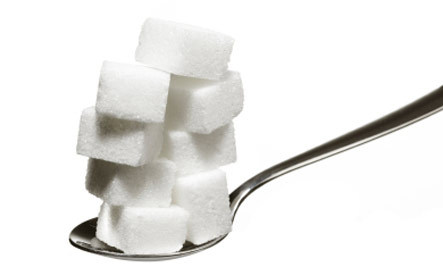
How much sugar is too much?
Saxena recommends limiting added sugars to less than 10 per cent of daily caloric intake.
“In an 1,850-calorie diet, (that) works out to about 40 or 50 grams in a day. But I would say even less is better,” she said. “There’s really no benefit to having excessive added sugars, in particular for children.”
Focus on whole foods
Rather than cutting out sugar entirely, Saxena encourages people to focus on where their sugars are coming from.
“If you’re consuming, within the calories of your diet, carbohydrate containing foods, those plant foods, fruits, vegetables, plain, dairy products, grains, etc, those are wonderful, nutrient dense foods,” she said.
“You don’t have to limit those beautiful, whole, minimally processed, intact sugars, but you definitely want to keep your eye out for added sugars.”
By Tammy Ibrahimpoor March 26, 2026
source: www.ctvnews.ca

