- Why this matters: Monk fruit is a popular sugar substitute that may help manage blood sugar levels, but evidence in humans is limited.
- What you can do: Use monk fruit as a sugar alternative to reduce calorie intake.
- The payoff: Reducing sugar intake and replacing it with monk fruit can decrease the risk of diabetes and heart disease.
Monk fruit provides a calorie-free alternative to sugar and may have benefits for diabetes management. However, evidence in humans is limited.
1. Sweetening Your Diet With Monk Fruit
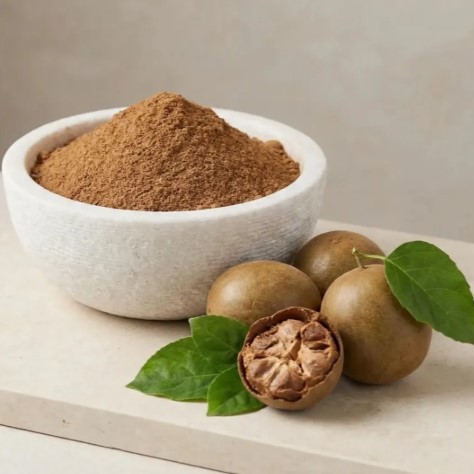
Monk fruit sweetener is made by crushing whole monk fruits and extracting their juice. Monk fruit gets its sweetness from a group of triterpene glycosides (sugar compounds) known as mogrosides. These are extracted and made into powdered and liquid sweeteners.1
Mogroside V is the sweetest and most abundant mogroside in monk fruit. It is the main one used in sugar-alternative products.1
Mogrosides are responsible for their biological effects. Monk fruit may offer antioxidant, anti-cancer, anti-inflammatory, and anti-diabetic properties.1
2. How This Sweetener Cuts Down on Calories
Table sugar, honey, corn syrup, and agave make up a significant part of most people’s daily calorie intake.
A 2-teaspoon serving of granulated sugar contains 32.6 calories. The average adult gets around 17 teaspoons of added sugar every day, which is 277 calories.23
A diet high in added sugars can cause you to take in more calories than you burn and gain weight. It can also promote the onset of diabetes, liver disease, and heart disease.4
Monk fruit contains 0 calories and is a blood sugar-friendly alternative to caloric sweeteners.5 It can help cut back on calories, which could be beneficial for those trying to lose weight.
3. Its Role in Blood Sugar Management
Monk fruit does not affect blood sugar and insulin levels in the same way as sweeteners like table sugar, honey, and corn syrup.
Monk fruit extract could be a sugar replacement for people with diabetes. However, more human studies are needed.6
One animal study on rodents found that rats with induced type 2 diabetes who were fed a yogurt fortified with monk fruit extract had greater improvements in blood sugar regulation. They also had a significant decrease in insulin resistance.7
One human study did not show as great an effect. There were minimal differences in post-meal blood sugar and insulin responses among 30 healthy participants when compared to table sugar-sweetened beverages.8
4. How It May Support Your Gut Health
The mogrosides in monk fruit may act as prebiotics, feeding helpful gut bacteria.
An in vitro (test tube) study found that gut bacteria can break down mogroside V into secondary mogrosides with antioxidant properties. They were shown to promote the growth of helpful gut bacteria and lower disease-causing bacteria.9
Mogroside V may help increase the production of short-chain fatty acids (SCFAs) like acetate, propionate, and butyrate. SCFAs are byproducts of the bacterial fermentation (breakdown) of prebiotics.9
SCFAs act as an energy source for the cells lining the colon, maintain the integrity of the intestinal barrier, and regulate inflammation.9
Although mogroside V shows promise as a prebiotic ingredient, more human studies are needed.
What Are the Nutritional Facts for Monk Fruit?
One teaspoon (0.5 grams) of monk fruit powdered sweetener contains 0 calories.
It does not have any fat, sodium, fiber, added sugars, or protein. It has 0.5 grams of carbohydrates, or 0.18% of the DV.5
Risks To Watch Out For
Monk fruit is generally recognized as safe (GRAS) by the Food and Drug Administration (FDA).10 Human studies are limited, but monk fruit has not been linked to any side effects or health risks.
Certain ingredients in monk fruit products may carry some risks. Erythritol is a sugar alcohol commonly added to granulated and powdered monk fruit. It can increase the risk of blood clotting, stroke, heart attack, and death in people with a high risk of heart disease.11
You may want to avoid items that include erythritol. Check the ingredient list so you are aware of any additives.
Tips for Adding Monk Fruit to Your Diet
You can use monk fruit the same way as regular sugar. There are many ways to add monk fruit to your diet, such as:
- Add it to cocktails, iced tea, lemonade, and other drinks.
- Mix it into coffee instead of sugar or sweetened creamers.
- Opt for monk fruit for sauces and marinades instead of brown sugar and maple syrup.
- Use it as a sugar replacement for cake, cookie, and pie recipes.
You should not use monk fruit for canning. There is not enough research on how monk fruit affects the pH of home-canned foods like jams. Monk fruit could change the pH of canned goods, which makes them unsafe for consumption.
By Jillian Kubala, RD Updated on September 28, 2026
Medically reviewed by Melissa Nieves, LND
source: www.health.com

