As more Canadians use cannabis, the number of people reporting anxiety and depressions symptoms is also increasing, according to a new study.
Led by researchers from McMaster University in Hamilton, Ont., the study was based on Statistics Canada survey data from nearly 35,000 Canadians ages 15 and older.
Researchers found that between 2012 and 2022, the number of people who reported using cannabis at least twice per week more than doubled from 3.7 to 8.3 per cent, while the number of people reporting any cannabis use over the past year jumped from 11.4 to 20.7 per cent.
In the same period, the number of people reporting anxiety and depression symptoms nearly doubled, from 2.6 to 5.2 per cent for generalized anxiety disorders and from 4.7 to 7.6 per cent for major depressive episodes. While the suicidality rate remained unchanged in adults at 3.5 per cent, over the decade it rose by a troubling 44 per cent amongst youth.
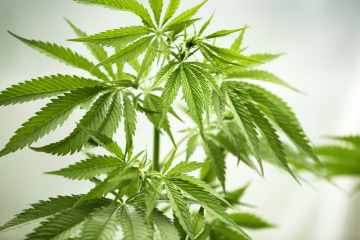
“We see that Canadians who use cannabis tend to be more likely to meet criteria for anxiety and depressive disorders, and more likely to report suicidality,” senior author and McMaster assistant nursing professor Jillian Halladay said in a news release. “We also see that this co-occurrence has strengthened over time.”
While the study, published Thursday in The Canadian Journal of Psychiatry, does not prove cannabis is causing these mental health challenges, it does show that rates for both are rising in parallel. Survey data from 2022 also indicates that Canadians who use cannabis at least two times per week are about five times more likely to report anxiety, depression or suicidally than those who do not use the drug, which is also known as marijuana.
“It’s important for people to recognize when and how their cannabis use may be impacting their mental health, and how their mental health may be influencing their cannabis use,” Halladay said. “It’s also increasingly important for health and mental health providers to assess and address both cannabis use and mental health concerns together.”
Researchers note that cannabis use in Canada has been on the upswing since recreational legalization in 2018. They suggest that increased availability, stronger products and growing use for perceived therapeutic benefits could be contributing to the patterns they observed.
“Cannabis use was consistently related to a higher prevalence of internalizing problems, and these associations strengthened between 2012 and 2022,” the study concluded. “Given continued escalations in co-occurring cannabis use and internalizing problems, greater investment in early identification, intervention, and access to integrated substance use and mental health treatment is needed.”
By Daniel Otis February 28, 2026
source: www.ctvnews.ca
 Our Better Health
That’s a pretty big sample size! I have friends in Canada whose adult child smokes a lot of marijuana and also has a lot of mental health challenges involving… anxiety and depression. I might share your blog post with them. Thank you for finding and sharing this information.
~ you are welcome Wille ~