For a lot of people, a takeaway coffee is automatic. You grab it on the way to work, carry it through meetings, sip while checking messages, then toss the cup without a second thought. It feels harmless. Comforting, even. But researchers are starting to show that this everyday habit may be adding something extra to your coffee that you never asked for.
A recent review of studies suggests that drinking about 300 ml of hot coffee every day from a plastic-lined cup could expose someone to nearly 3.6 lakh microplastic particles over the course of a year. The number sounds shocking, but the reason is fairly simple. Heat matters. Hot liquids cause far more microplastics to leach out of plastic surfaces than cold drinks do.
Most takeaway cups are not really just paper. They are usually coated on the inside with a thin layer of plastic, often polyethylene, to stop leaks. When hot coffee or tea sits against that lining, tiny plastic particles can shed into the drink. You cannot see them. You cannot taste them. But they are still going into your body.
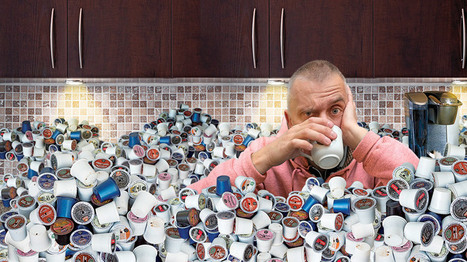
By now, microplastics have been found almost everywhere scientists have looked. In oceans and soil, in bottled water and seafood, even in human blood and organs. What they actually do inside the body is still being studied. Some researchers worry about inflammation or long-term effects linked to the chemicals plastics carry. Others say it is too early to draw firm conclusions. What everyone agrees on is that exposure is widespread and growing.
Scale is part of the problem. Around 500 billion single-use cups are used globally every year. Even if each cup releases only a small amount of plastic, daily use adds up quickly, especially for people who rely on takeaway drinks.
This does not mean you need to give up coffee or panic every time you order one. It does mean small changes can matter. Drinking from a ceramic mug at home, carrying a steel or glass travel cup, or even letting a hot drink cool slightly before sipping from a disposable cup can reduce contact with plastic.
The research also puts pressure on companies and policymakers. Some brands are experimenting with alternative linings, and many governments are already tightening rules around single-use plastics.
The takeaway here is not fear. It is awareness. That daily coffee feels like a tiny thing. But repeated thousands of times a year, tiny things have a way of quietly adding up.
Story by MC World Desk • Jan 20, 2026
source: www.msn.com
 Our Better Health
Thanks for this heads-up Mr. Pete. I do not drink hot beverages in plastic-lined paper cups — but I am aware that a lot of folks do… I love your ending reminder about how tiny things repeated thousands of times have a way of adding up. This can be a negative or a positive phenomenon — death by a thousand cuts or restoration by a thousand improvements/remediations. And I continue to be surprised by all the ways that our individual choices can ripple! For example, I read recently that the current surge in human beings using new weight loss drugs will end up saving millions of dollars in fuel costs for airlines. Let’s continue to be as mindful as possible with our daily choices/purchases/travels here on planet earth…
Knowledge is power!
~Thanks Wille~